Long-form coverage of inequality where people actually meet it: renting an apartment, applying for a job, enrolling a child, dealing with police. Pieces combine statistics with individual case files and name the institutions responsible. Written for policy readers, community organizers and anyone tracking how social outcomes get produced.
The 42-billion-dollar BEAD program rewrote its rules before shovels moved, and the households without usable internet are the same ones schools and courts moved online.
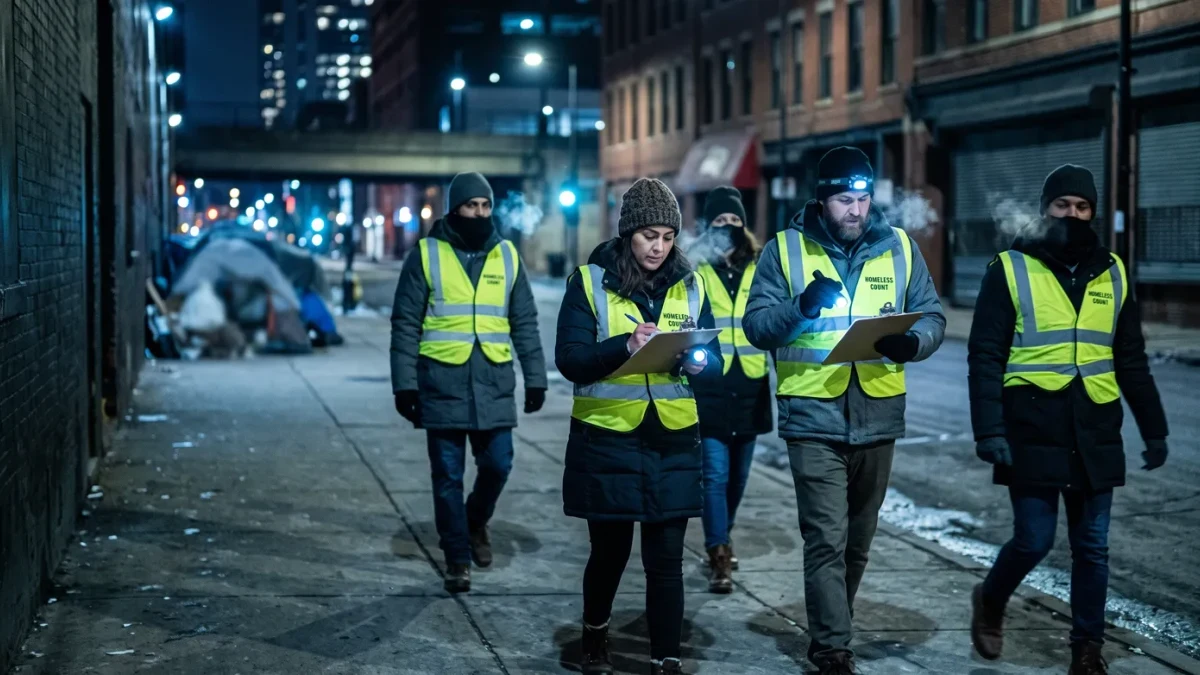
Point-in-time counts send volunteers out on a January night to count tents and shelter beds, and their known undercounts drive federal money for the year.
As pandemic-era continuous coverage ended, states disenrolled tens of millions of people — most for paperwork, not ineligibility — and coverage gaps clustered by state and by race.
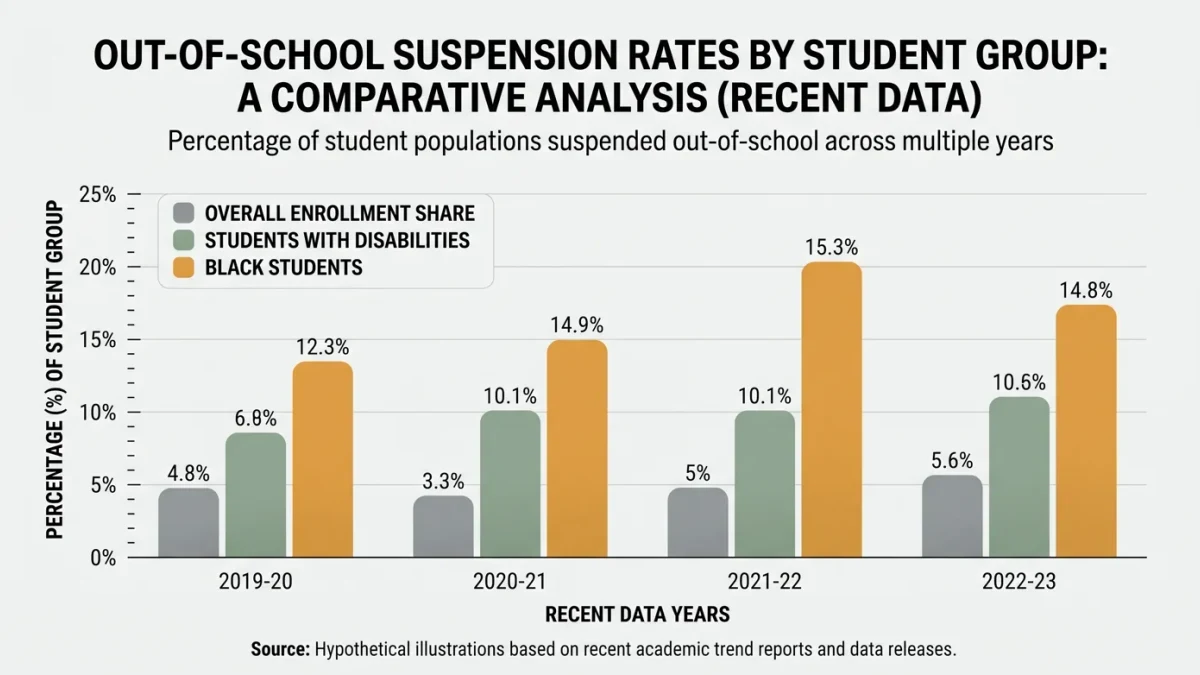
Black students are suspended at roughly twice their share of enrollment, and the research trail leads from kindergarten classrooms to later arrest rates.
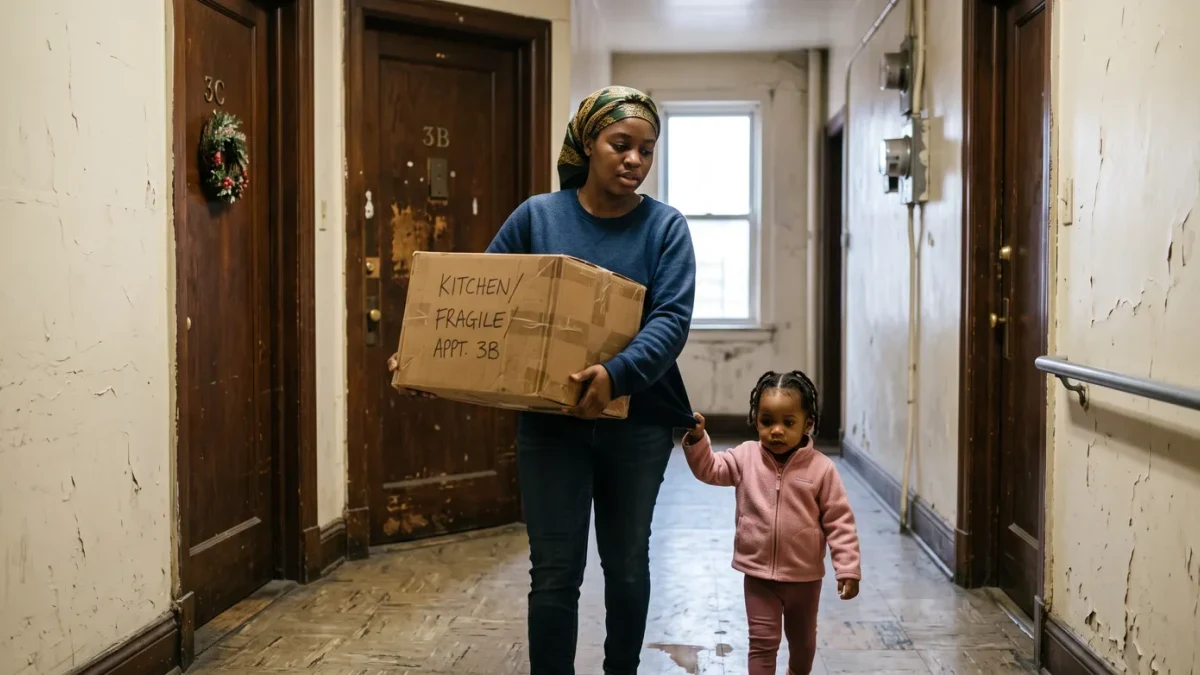
A filed eviction — even one a tenant won or that was dismissed — can block housing for years, and a wave of record-sealing laws is trying to break that cycle.